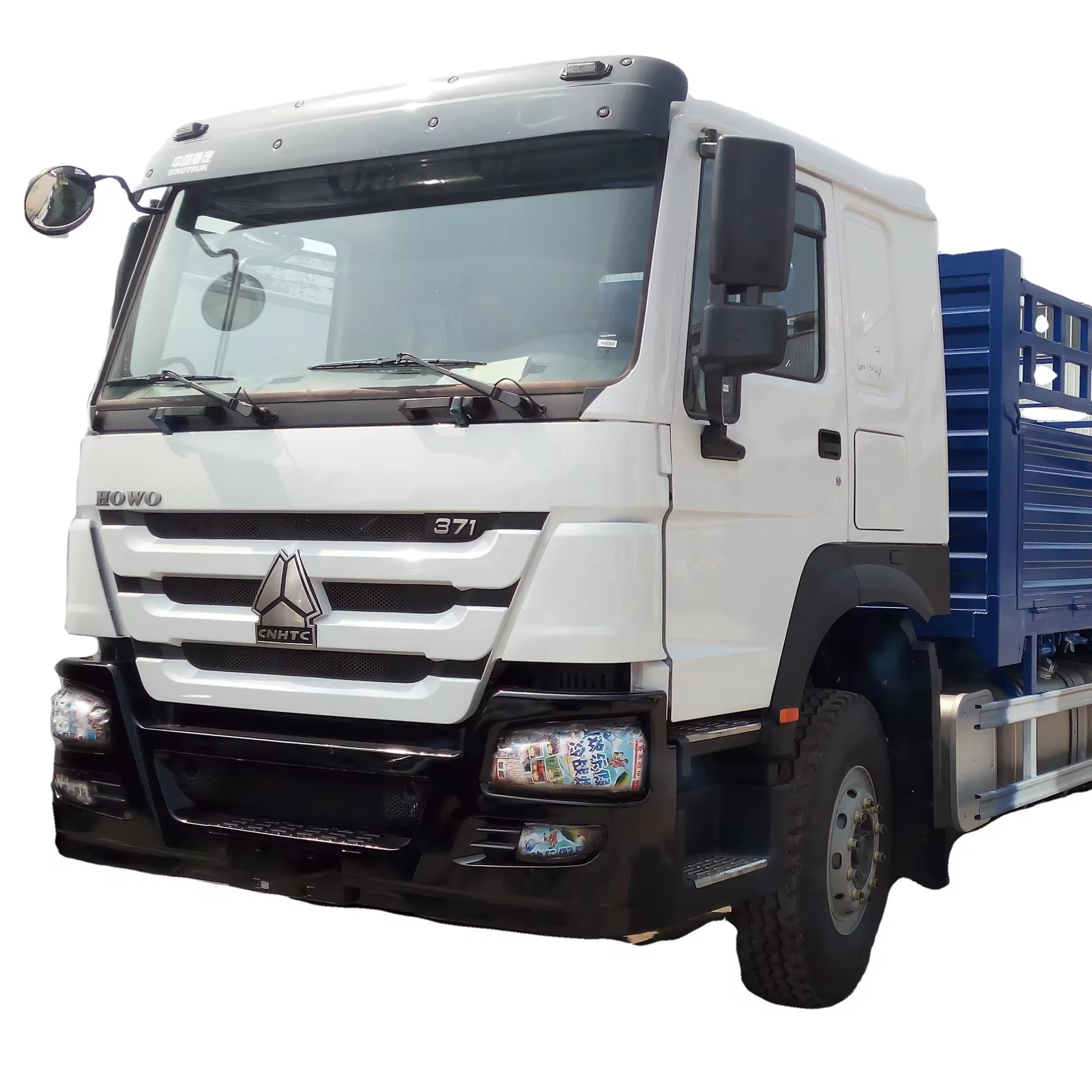
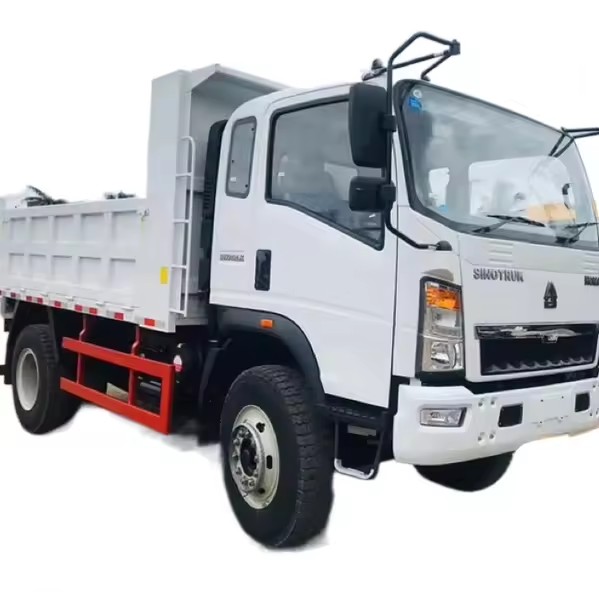
- National V → National VI, the most significant change in light trucks
-National V: Only SCR (urea denitrification), engine calibration leans towards power and fuel consumption.
-National VI A/B: Newly added DPF particulate filter, and some models have added EGR exhaust gas recirculation system.
-EGR introduces exhaust gas to lower combustion temperature, reduce nitrogen oxides, and slightly increase fuel consumption;
-DPF collects particulate matter, which accumulates to a certain extent and triggers regeneration:
-Passive regeneration: Normal high-speed driving with almost no increase in fuel consumption;
-Active regeneration: In short distance and low-speed working conditions in urban areas, fuel injection heats up and burns particles, resulting in a significant increase in short-term fuel consumption. - Pay attention to distinguishing between two concepts
a. Emission standards: Controlling exhaust pollutants (NOx, particulate matter, CO, etc.) is an environmental indicator;
b. Fuel consumption limit (GB 27840): separate fuel consumption regulations, in parallel with emission regulations. - Key points of actual vehicle usage impact (focus on buying light trucks)
a. Short distance low-speed scenarios (building materials, urban delivery): National VI DPF is prone to carbon deposition, frequent active regeneration, increased fuel consumption, and higher maintenance costs;
b. Long distance constant speed scenario: The fuel consumption disadvantage of National VI is basically not obvious;
c. If DPF is blocked or malfunctioning: the vehicle’s torque is limited, power decreases, and fuel consumption significantly increases, it is a malfunction and not caused by the emission regulations themselves;
d. National VI vehicle models have high requirements for fuel and urea quality. Poor quality urea/diesel will be damaged and treated, indirectly increasing fuel consumption and maintenance costs.